
👔|15 Real Strategies to Beat Interview Anxiety
- Patrick Huang

- Jun 30, 2025
- 5 min read

Interview anxiety is totally real and super common. Maybe your mind goes blank, your hands shake, or your heart races — whatever it looks like for you, it doesn’t mean you’re not capable. I always tell my students: interviews are a skill, not something you're just born knowing how to do. We don’t use this skill often, so it requires practice — and the right mindset — to improve at it.
So before we dive into this year’s round of interviews, I’ve put together 15 really practical tips. I’ve written them down here in the hope that they’ll help you feel a bit more prepared and a little less alone, wherever you are in your journey.
15 practical, detailed strategies
1. Reframe Anxiety as Excitement
Your body doesn’t always know the difference between fear and excitement — both activate the same stress response.
By telling yourself “I’m excited” instead of “I’m scared,” you begin to perceive your energy as something empowering, rather than debilitating. This simple shift can regulate your nervous system and make you feel more in control.
2. Create a Pre-Interview Ritual
It is human nature to be resistant to change!
Having a predictable, comforting pre-interview routine can anchor you.
This could be as simple as a 10-minute walk, listening to your favourite pump-up song, stretching, or sipping a calming tea.
A consistent ritual creates a sense of safety and signals to your brain that you’re ready — not under threat.

3. Do Mock Interviews with Real Feedback
Practise answering questions out loud in a realistic setting.
Use Zoom or record yourself on your phone, and review your tone, pacing, and body language.
Better yet, get feedback from a friend or mentor so you can identify blind spots and adjust calmly before the real thing.
4. Prepare 4–5 STAR Stories in Advance
Behavioural interviews often follow the STAR format (Situation, Task, Action, Result).
Having several well-structured stories in your back pocket helps you answer questions like “Tell me about a time you worked under pressure” without scrambling.
Practice saying them aloud so they sound natural, not memorised.

5. Use a Cheat Sheet (Discreetly!)
For video interviews, it’s perfectly fine to have short notes nearby, such as bullet points with achievements, key values, or prompts for tricky questions.
These help you stay on track and recover quickly if your mind goes blank. Keep them off-screen or just beside your webcam for a quick glance when needed.
6. Use Box Breathing to Reset Your Body
Box breathing (inhale 4, hold 4, exhale 4, hold 4) is a clinically proven way to regulate anxiety.
Doing this for just 60–90 seconds can slow your heart rate and bring you back to a calmer state.
Use it just before the interview or even between questions if you feel overwhelmed.
7. Visualise the Interview Going Well
Close your eyes and mentally rehearse a positive interview experience — walking in (or logging on), greeting confidently, answering smoothly, and leaving proud. Visualisation activates the same parts of the brain as doing the activity itself, helping you feel more prepared and less anxious.
Try doing this 1–2 days before and again 10 minutes before your interview.
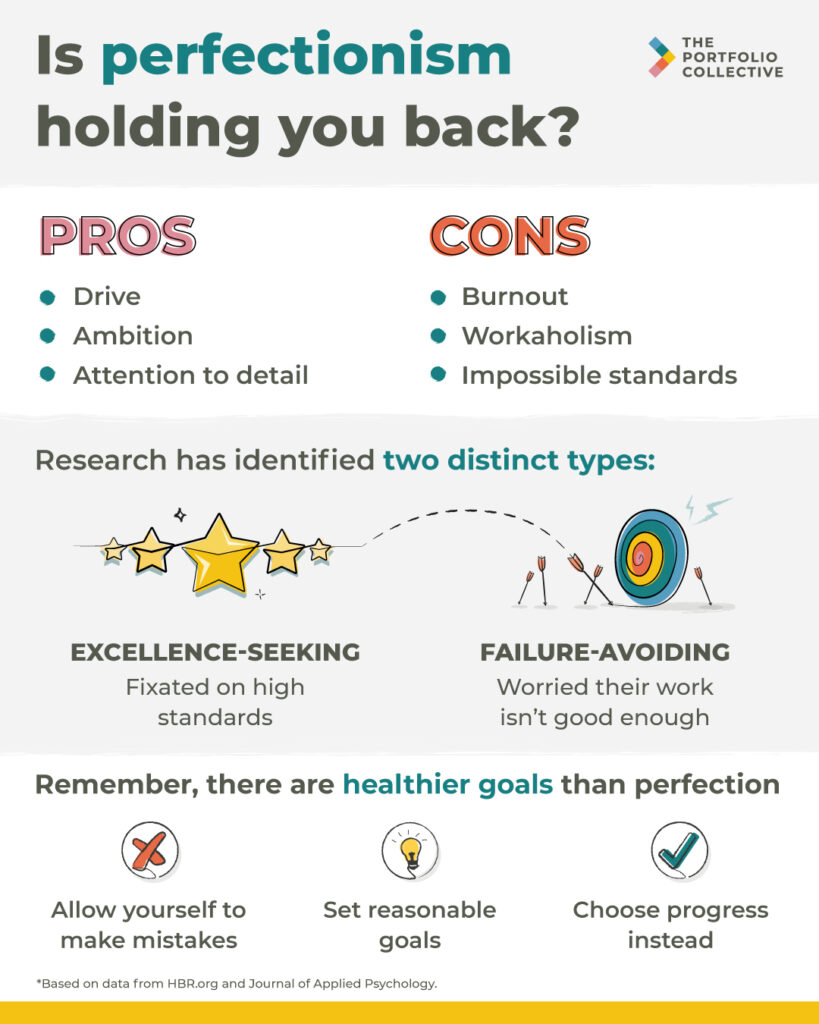
8. Let Go of the Idea of Perfection
Trying to be “perfect” increases pressure and makes you less present. Interviewers aren’t expecting robotic, flawless answers — they’re looking for real people who are thoughtful, reflective, and honest.
Focus on doing your best in the moment, not on trying to impress with rehearsed scripts.
9. Use a Physical Grounding Technique
When anxiety kicks in, grounding yourself physically helps you stay in the present. Place both feet flat on the floor, grip your chair lightly, or hold a small object like a textured ring, coin, or calming stone. These tactile cues signal your nervous system that you are safe and can think clearly.

10. Do a Brain Dump Before the Interview
Set a timer for 5 minutes and write out every anxious or intrusive thought onto paper — then rip it up or close the doc.
This is a psychological release technique to declutter your mind and reduce rumination. It may sound simple, but many Redditors and therapists recommend it as a fast, effective reset.
11. Talk to Yourself Like a Friend
We are often our own harshest critics. Try saying things like: “You’ve done your prep. You don’t have to be perfect — you just have to show up.”
Speaking kindly to yourself helps lower cortisol levels and promotes self-compassion, which is crucial under pressure.
12. Normalise Anxiety — Even Professionals Get Nervous
Even experienced nurses, doctors, and executives get anxious before interviews. This doesn’t mean you’re unprepared — it means you care.
Recognising that nervousness is universal and temporary can help you move through it instead of resisting it.
13. Schedule Smartly Based on Your Peak Energy
If you have a say in scheduling your interview, pick a time when you feel most alert — for many people, this is mid-morning or early afternoon.
Avoid scheduling too early or too late in the day if those are your low-energy periods. Aligning your interview with your natural rhythm can make a big difference.
14. Rehearse a Strong Closing Line
Ending on a confident note leaves a lasting impression.
Prepare a short wrap-up like: “Thank you for your time today — I’m really excited about this opportunity and the chance to contribute to your team.”
Practising this line in advance ensures you finish strong, even if you stumbled earlier.

15. Shift Into Empowerment — They Need You Too
One powerful mindset shift shared online is this: “The company has a need. They’re looking for someone capable — and you’re here to show them you are that person.”
Don’t frame the interview as “please give me a job” — instead, see yourself as someone who can help them. You’re not begging for an opportunity; you’re offering a solution.
💡 What helped me most was this:“Most people are faking it. Most people are mediocre. What’s the worst that can happen — are they going to shoot you or post you online? No. The worst is a polite ‘no thanks.’ And you move on.”— Shared on r/interviews
This mindset can radically reduce fear and elevate your confidence.
Final Thought
Interview anxiety isn’t a weakness. It’s a sign that you care. With the right preparation, support, and perspective, you can shift from fear to flow — and show up as your best, most grounded self.
You’ve got this — and we’re right here with you.


Comments